Foundation
The Paranormal Investigation Executive was founded at the United Nations in 1957, in response to growing concern over both the United States and Soviet Union attempting to gain a cold-war advantage through utilisation of things widely defined as "paranormal". These included recovered technology and biology of extra-terrestrial origin, cryptids, ghosts and methods of contacting the dead, psychic powers such as telekinesis and apports and anything else considered out-of-the-ordinary.
The founding principle of the PIE is that, like nuclear weapons, these unknowable phenomena demonstrate great power, and could pose an existential threat to humanity. While the UN was unable to take control of and regulate the world's nuclear weapons, owing to the chaotic circumstances of the world at the time in which they came about, it was able to form a worldwide body to regulate the investigation and utilisation of paranormal phenomena. All members of the Secrurity Council signed up to a resolution creating the body, which is housed within the UN itself.
Activities
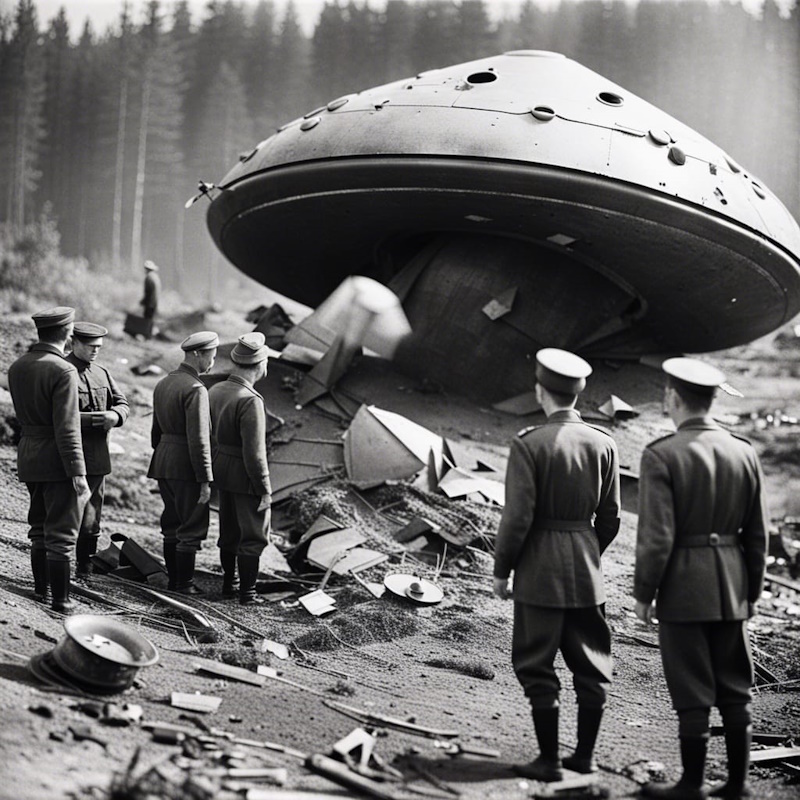
Though there was an initial proposal to relocate all paranormal artifacts in the collections to a new base, built in a vastly-expanded Area 51, nations such as China and the Soviet Union rejected it. The USA and UK likewise rejected a Soviet counter-proposal to build a base in a remote part of the Russian steppe. It was eventually decided that teams of "Paranormal Inspectors" would be given access to research and artifcats in situ, taking notes and creating an archive to be created at the UN. The revelations that came from this, while eye-popping to the newly-recruited researchers (many complete unbeleivers who joined the organisation as a joke / out of idle curiosity) remained above top secret to those on the outside.
Since then, any newly-discovered paranormal phenomena considered credible enough by a nation's authorities are (or, at least, are supposed to be) passed up to the PIE for investigation, often in tandem with the nation's own armed forces or police. With the end of the Cold War, the PIE was shrunk down to a much smaller pool of staff, though since 2022 it's activities have ramped back up slightly. The number of field agents has been reduced, while a larger pool of archivists look through old research notes in an effort to further understand and catalogue them.