 - pic - pic
MERCURY
Tidally-locked to the sun. Bases on the night side.
THE SOLAR SYSTEMNote: This article is based on the Solar System as it appears in the Gamma universe, circa 2314, just before the events of the yet-to-be-made Galactic Conquest. Bits of the content here will be seen in stories which work as prequels to that story The Solar System is the home of the human race. In terms of inhabited, life-bearing systems, it is located rather remotely. Humans went for hundreds of thousands of years without formal contact with interstellar civilisations, or even definite knowledge that there was life on other worlds |
|
MERCURY Tidally-locked to the sun. Bases on the night side. |
|
VENUS Cooled and terraformed, a hot second Earth. |
|
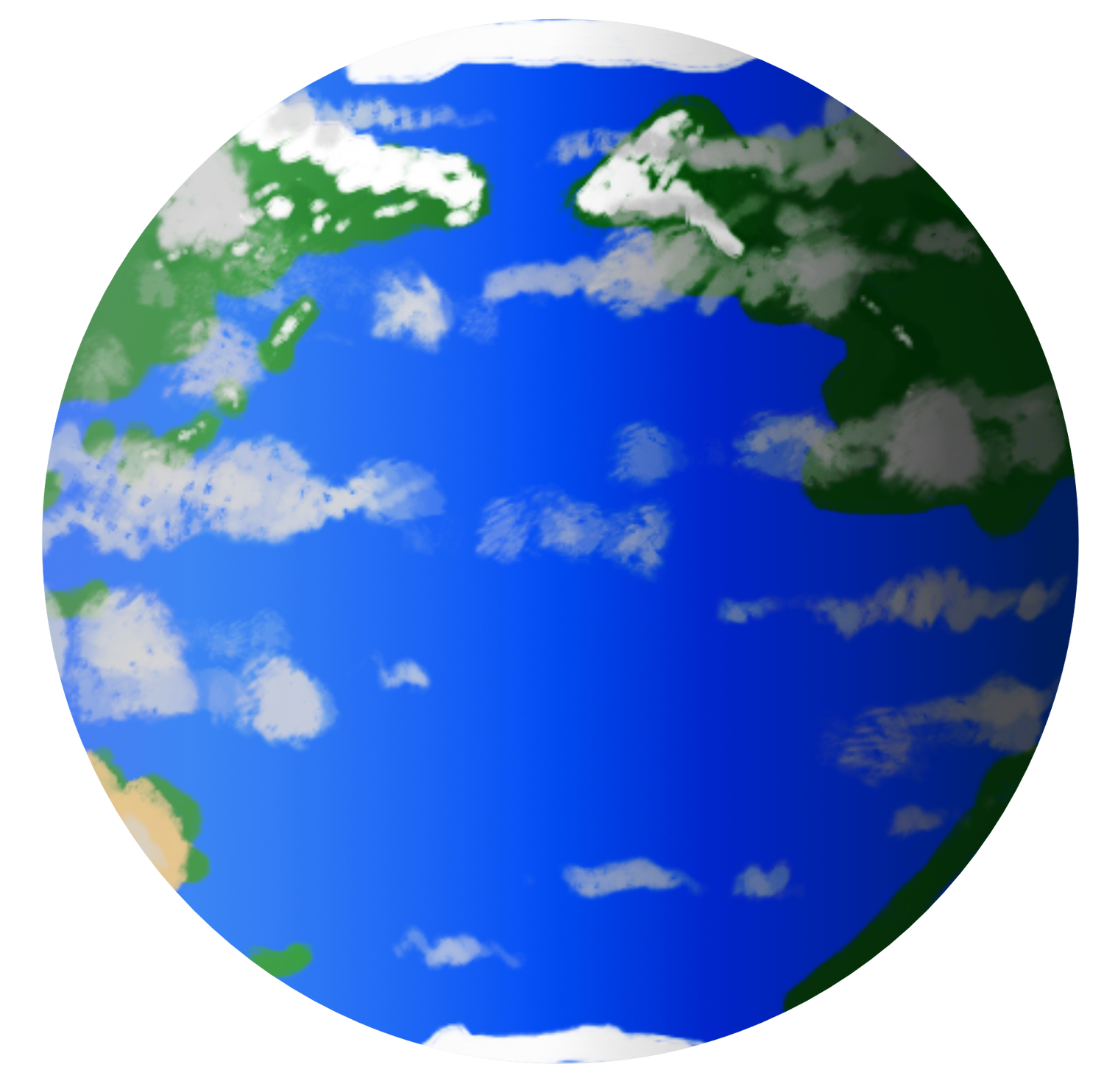
EARTH The birthplace of humanity and, in human units, the standard by which every other planet is judged. When considering rocky planets, the Earth has both a mass and a density of 1. At sea level, the Earth's atmosphere is at a pressure of 1. Man, having had hundreds of thousands of mostly undisturbed years to play with, has spread to every corner of this world and shaped much of it in his own image - for better or for worse. |
|
|
MOON NAME DESC DESC | |
|
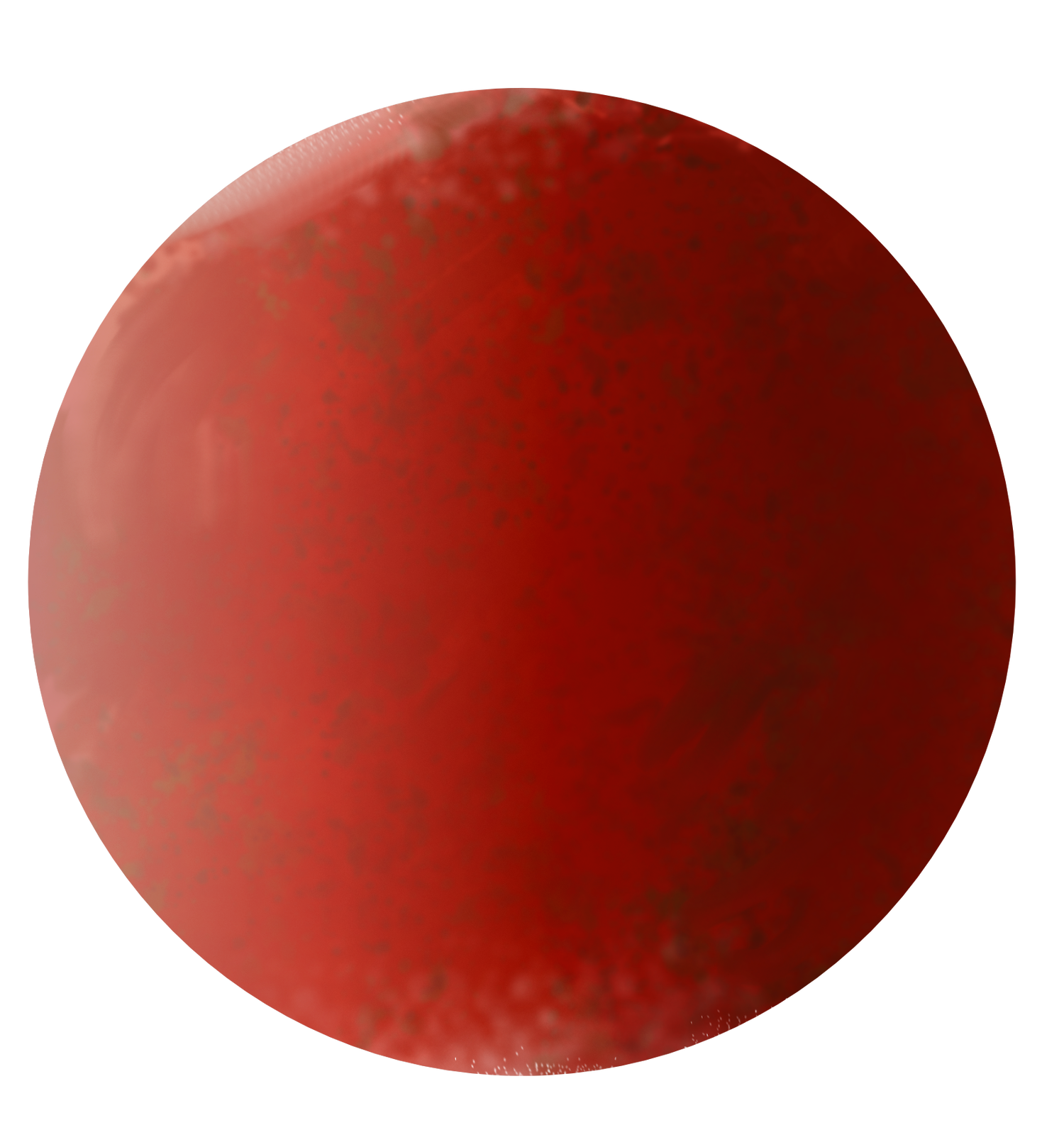
MARS The first destination for truly interplanetary flight, humans first set foot on Mars in 20XX. This expedition was launched from the Northwest Aryan Republic, or NWAR. For about a century afterwards, Mars was under a National Socialist government, and a white-only ethnostate. This character of militarism and traditionalism has remained a part of Martian culture ever since, if somewhat more jokingly of late. The planet was once a dead, sterile desert with only a thin atmosphere. An ambitious terraforming project was undertaken by the NWAR not too long after they began colonisation in earnest. Large asteroids were gently moved into orbit, kickstarting geological activity in the Martian core and allowing for a much stronger magnetic field. In fact, the planet punches above it's weight in the strength of it's magnetic field, being three-quarters as strong as Earth's. |
|
|
MOON NAME DESC DESC | |
|
JUPITER The largest planet in the Solar System, Jupiter's outer moons all have underground cities of considerable size, and it is ringed with large, orbiting stations of varying age and size. The older ones gently spinning away to create gravity within, the newer ones more cofortably equipped with gravity plating and far more extensive docking facilities. |
|
|
MOON NAME DESC DESC | |
|
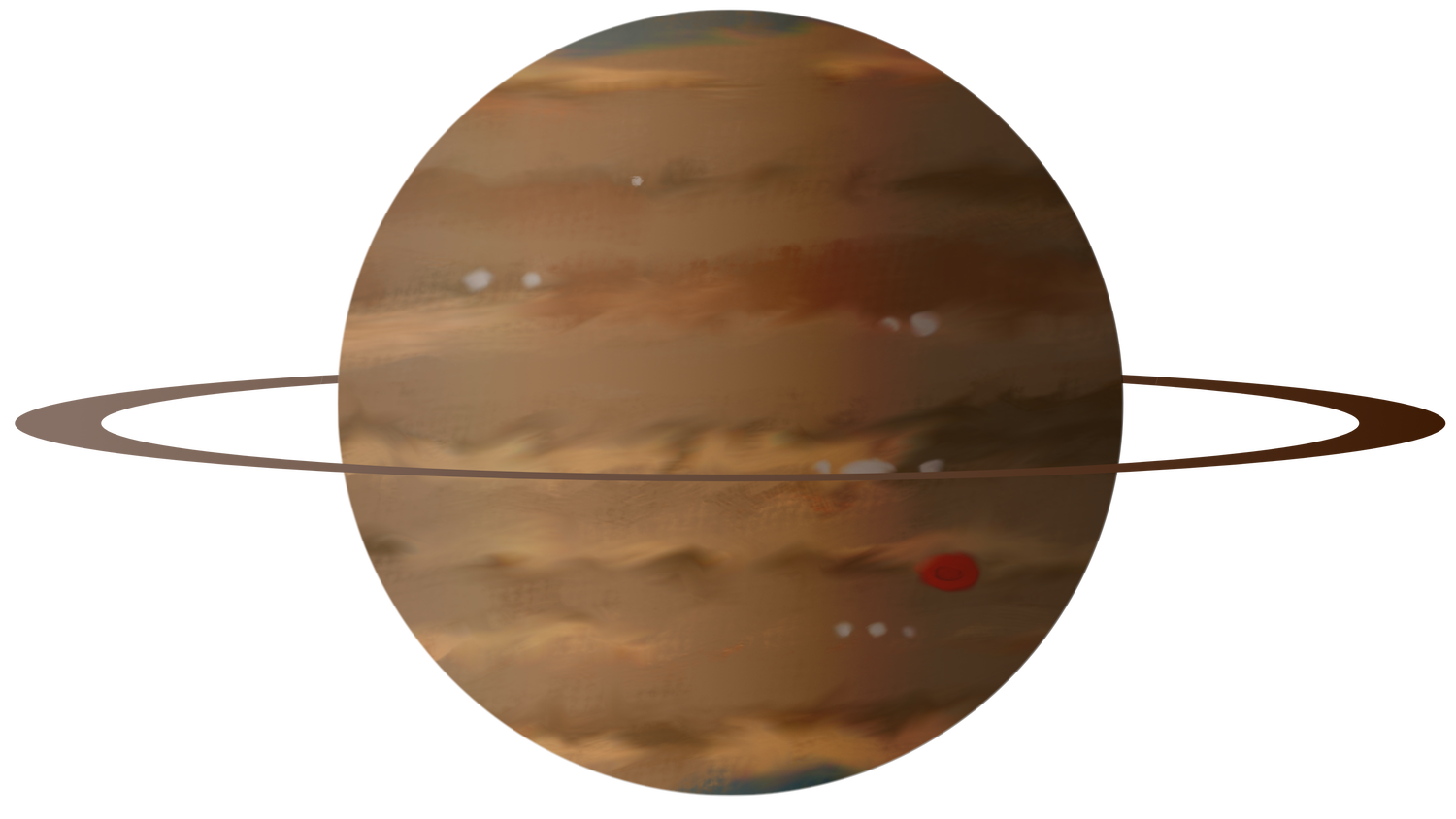
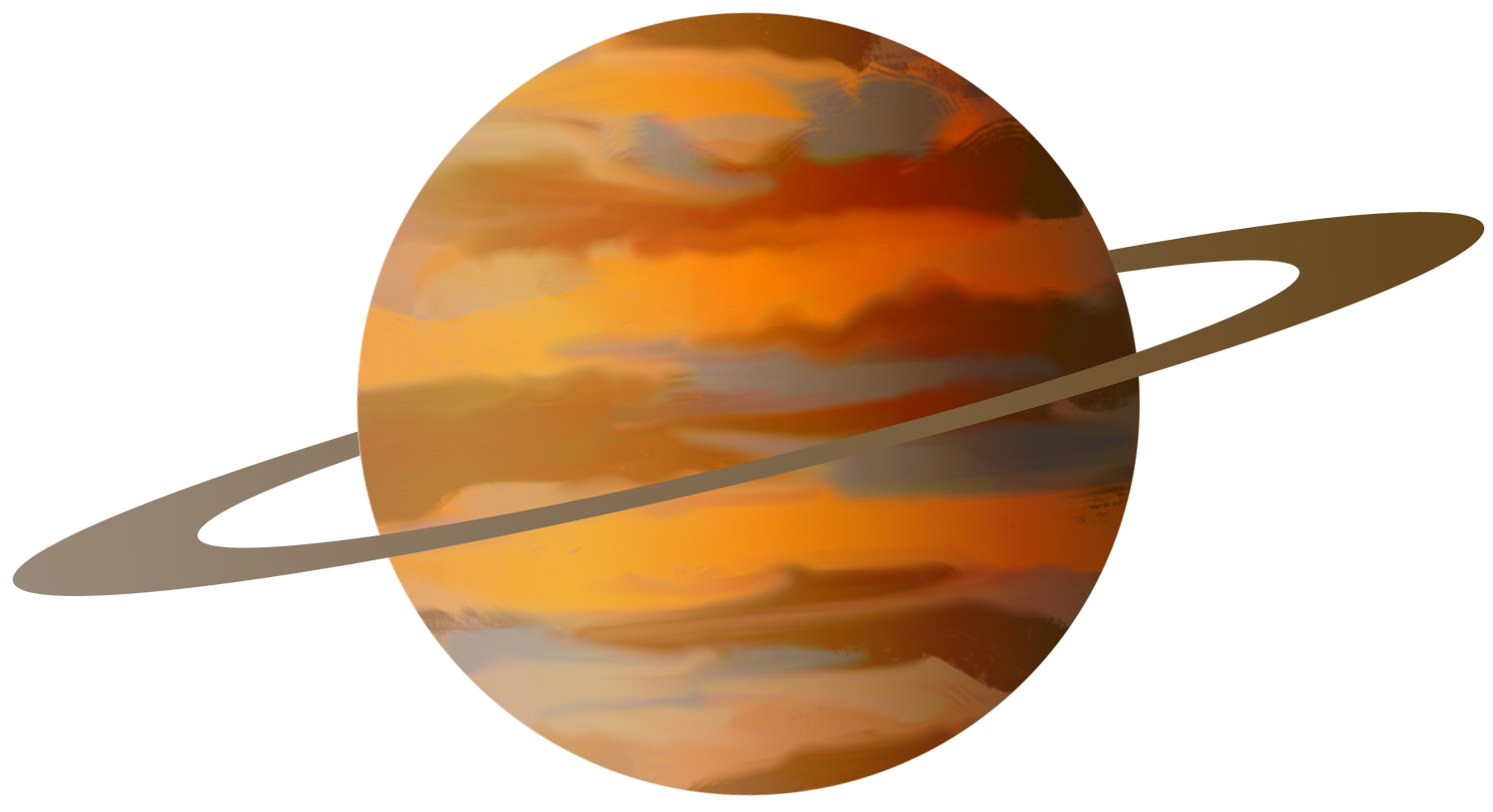
SATURN Blessed with the most impressive ring system in the Solar System, as well as the Solar System's only source of the rare Helium-XXX isotope, which allows for warp travel, Saturn is the busy capital of the outer system. |
|
|
MOON NAME DESC DESC | |
|
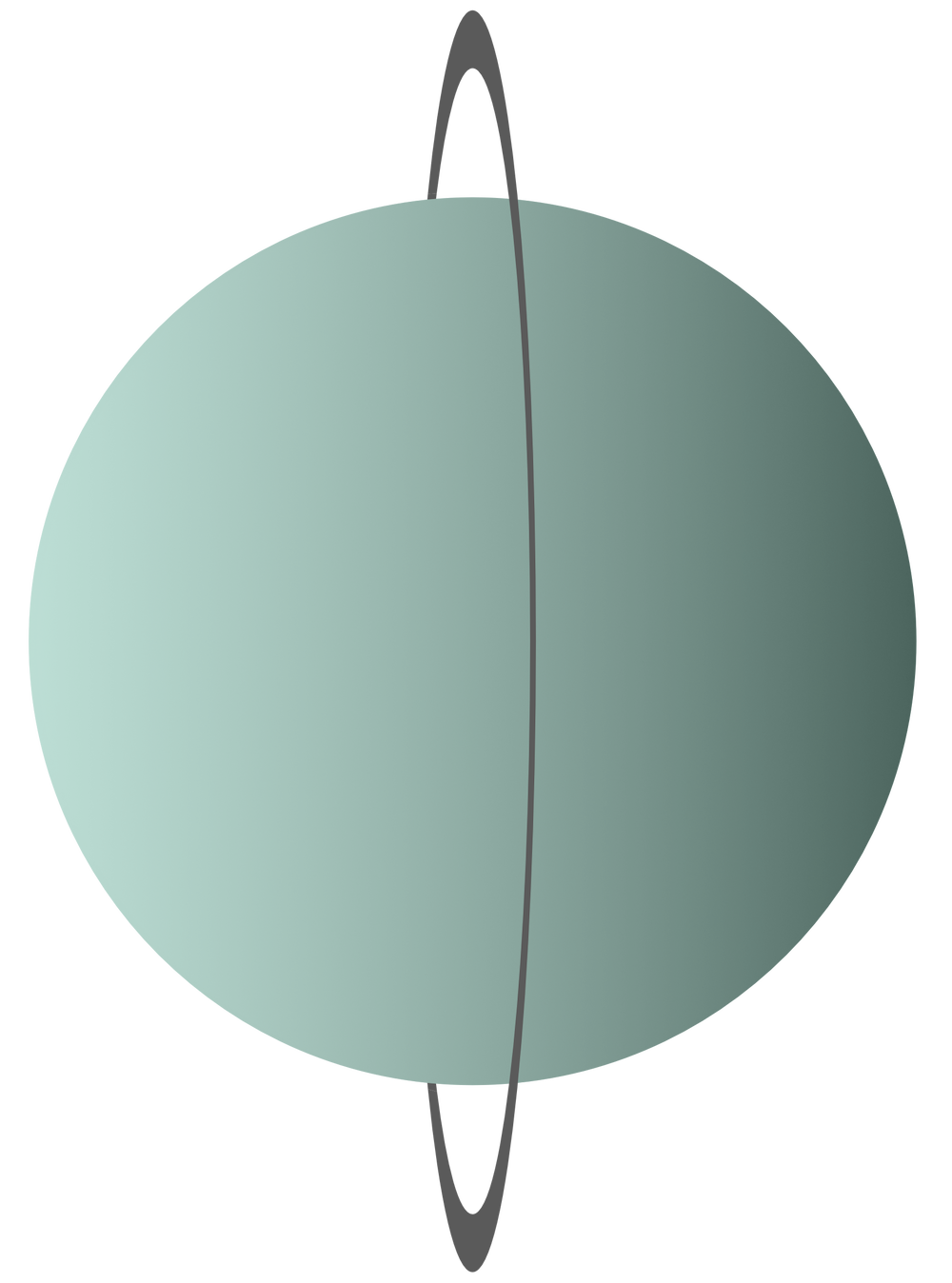
URANUS DESC DESC |
|
|
MOON NAME DESC DESC | |
|
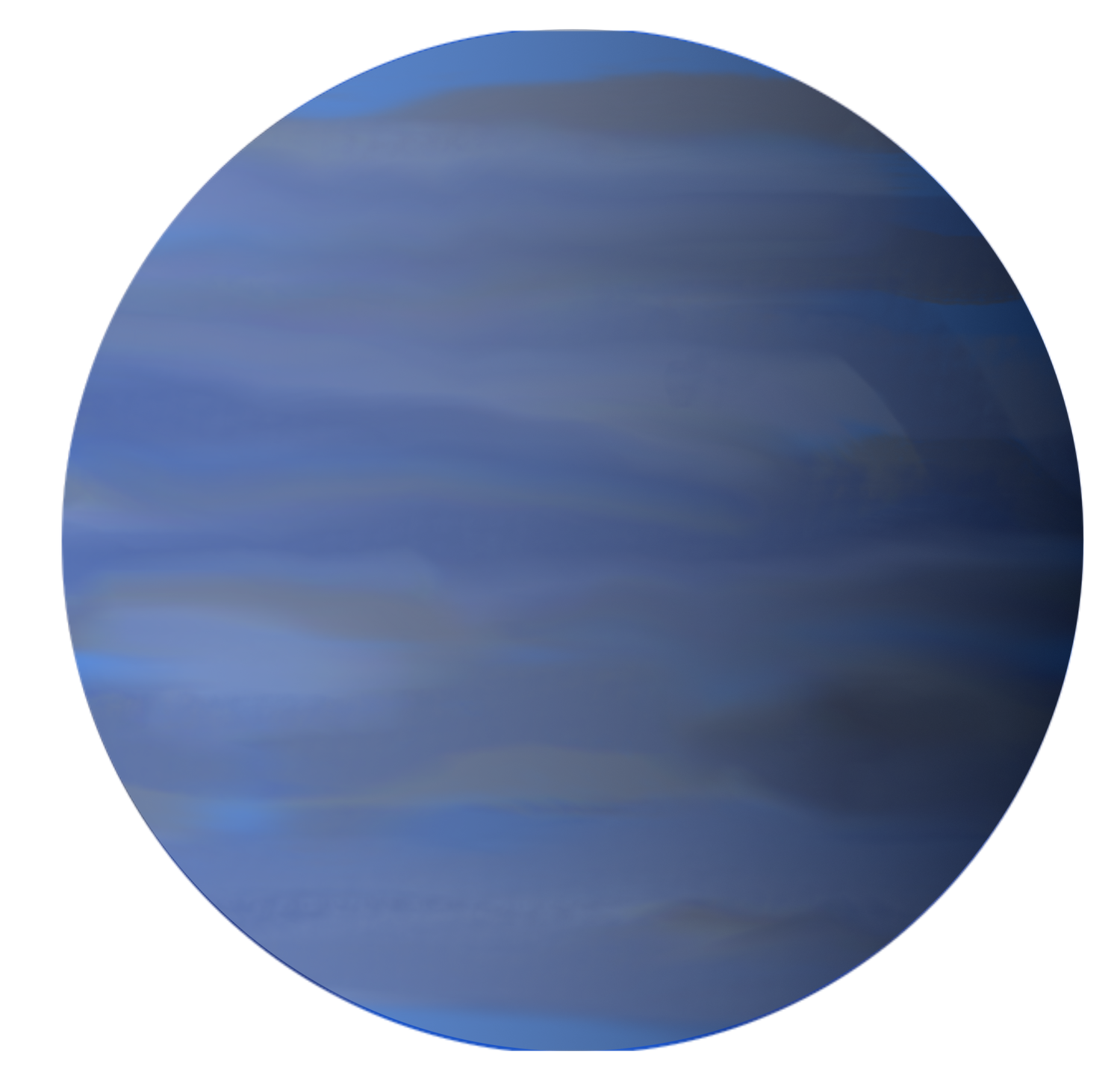
NEPTUNE DESC DESC |
|
|
MOON NAME DESC DESC | |