|
 -  - 
LUNA
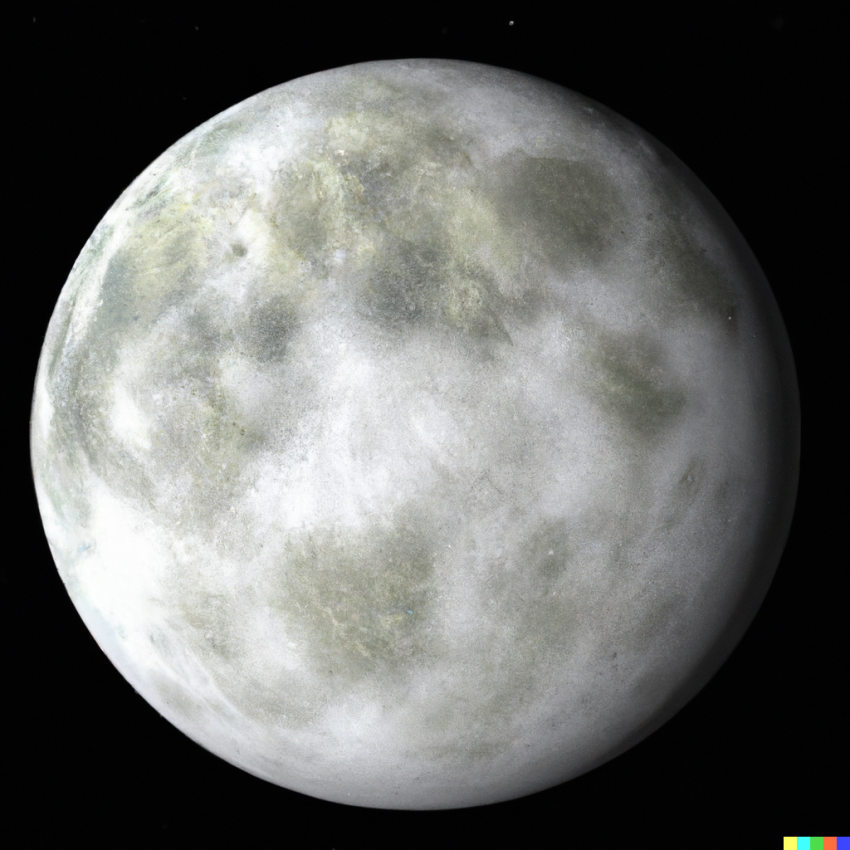
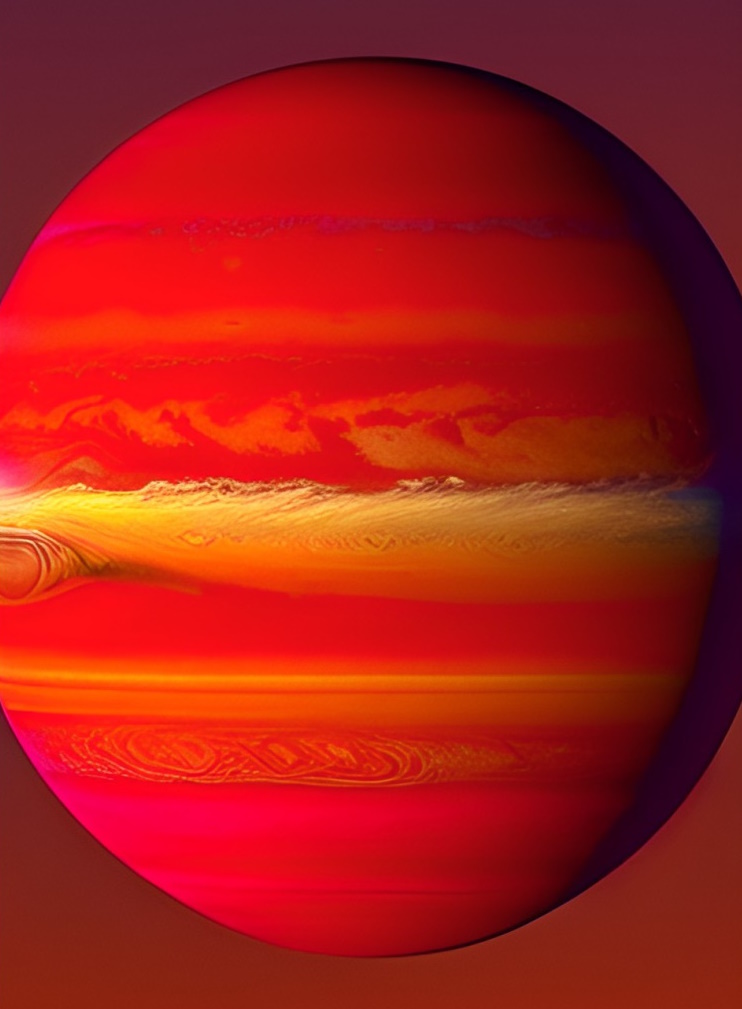
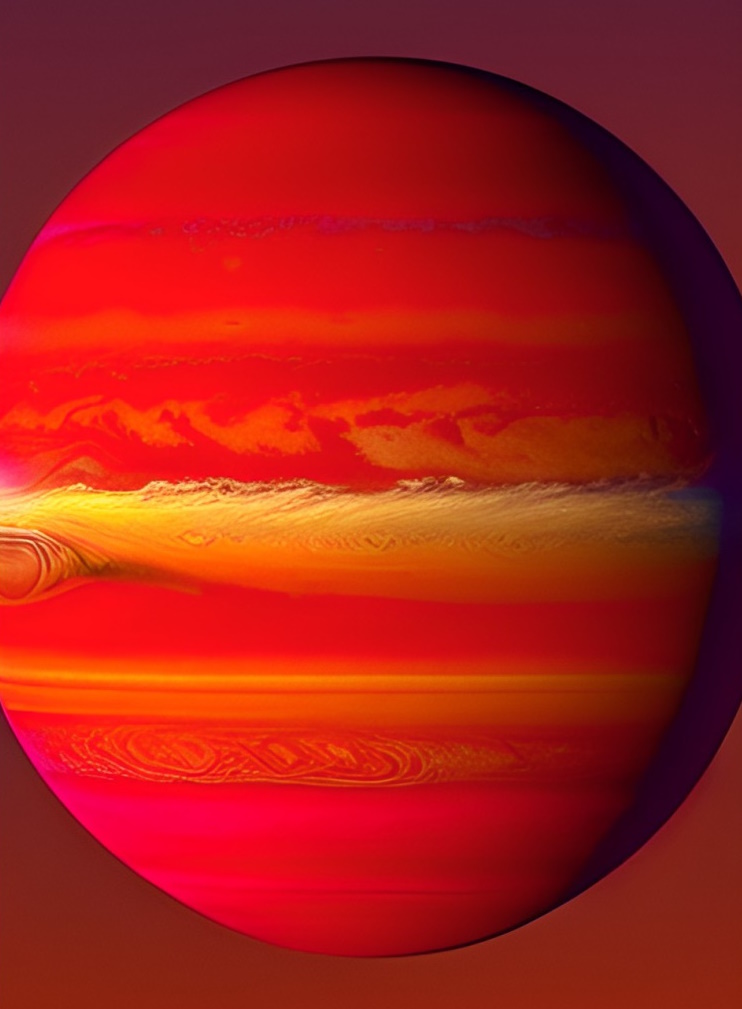
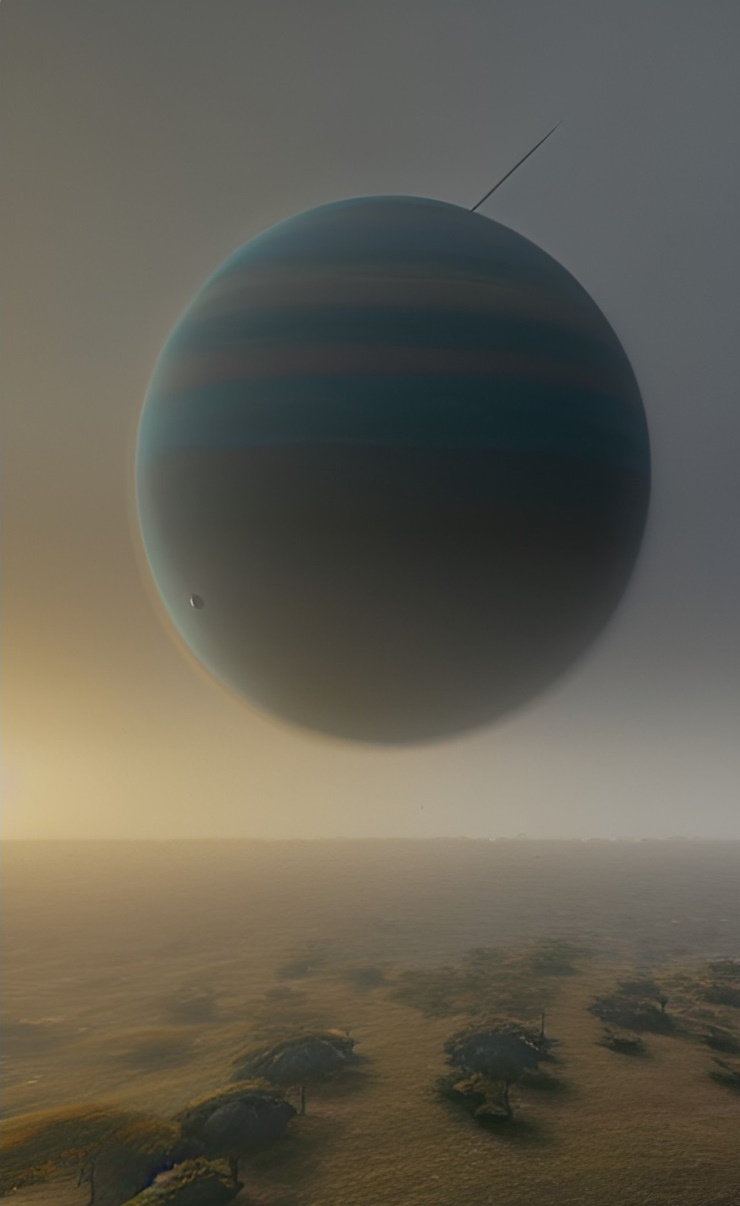
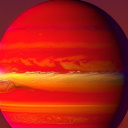
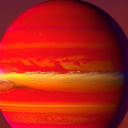
Luna is Latin for "Moon". The Teddy Bears totally coincidentally have languages exactly like Earth's, but to them Luna is "the thing in the sky", so they named the planet that, even though actually is is their planet that is a moon. Luna is a gas gint composed of primarily hydrogen on the surface, but it's inner core is far more rocky, and thus it has a more modest magnetic field compared to the vast ones existing on planets such as Jupiter. This allowed complex life to develop on Teddy Bear World, as it is well outside Luna's Van Allen belts.
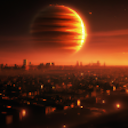
Luna's inner "surface" is made up of molten rock with only a bit of metallic hydrogen. The rock is rich in sulphur and, higher up, clouds of hydrochloric and acetic acid can be found. Volcanic turmoil lower down can cause great, stinking eruptions of these smelly chemicals into the upper atmosphere, which then rain back down over many days. The Equator of the planet is characterised by screaming winds and violent, constant thunderstorms. Some of the individual lighting flashes can even be seen from Teddy Bear World, during Luna's night. The poles are gigantic, constant hurricanes with electrically-active, but calm, "eyes". The temperate zones have seasonal storms, some of which become hurricanes that last for centuries, but are mostly calm. Where Luna's atmosphere is at 1 bar of pressure, the air is hot and the rains of acids and sulphur are almost constant.
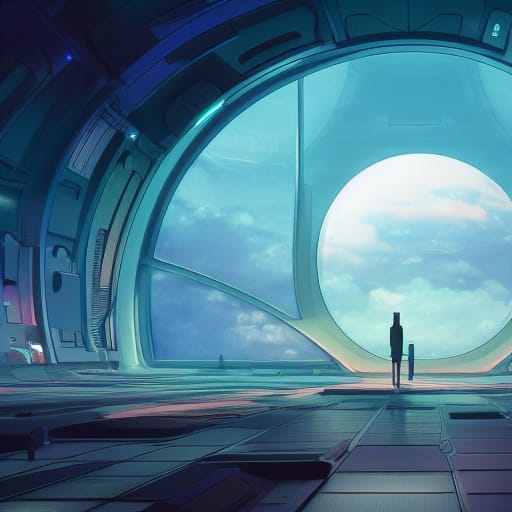
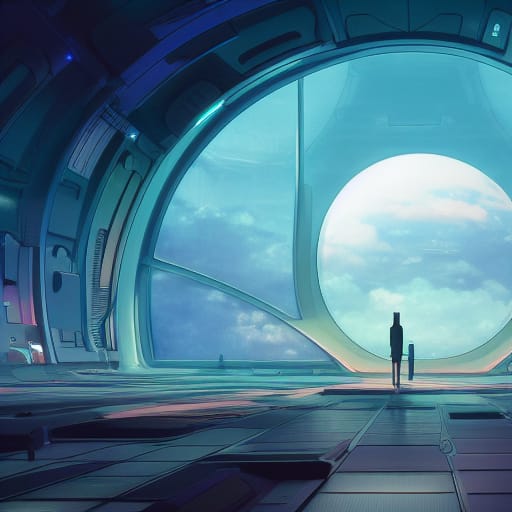
There is one inhabited station on Luna, a large enclosed facility with gigantic anti-gravity units suspending it in the "comfortable" atmospheric level. It was originally built as a holiday camp, but the nature of the atmosphere made the planned large windows, giving beautiful views of clouds, impossible. These were replaced by cameras connected to big screens, but the electromagnetic interference gave these a snowy picture, and the lenses and housings became fogged and dirty quickly, needing constant cleaning. Every time a worker came back in through an airlock, they inevitably bought droplets of acetic acid and sulphur dust in with them, causing a tremendous stink. Running the place as a holiday camp was a non-starter. It had also faced many construction difficulties and the Teddy Bear World government had ended up repeatedly subsidising the company. In the end they just seized the entire facility, having paid for most of it anyway, and converted it into a maximum-security prison. It now houses around 50,000 of the most hardened criminals from Teddy Bear World and other colonies.
|
|

|
Luna Rings
The rings of Luna are wide but thin, made up of small silicate rocks. All the inner moons produce gaps in the rings. There has been some modest mining of them, but people campaign to keep them preserved.
|
|

|
Mishifu
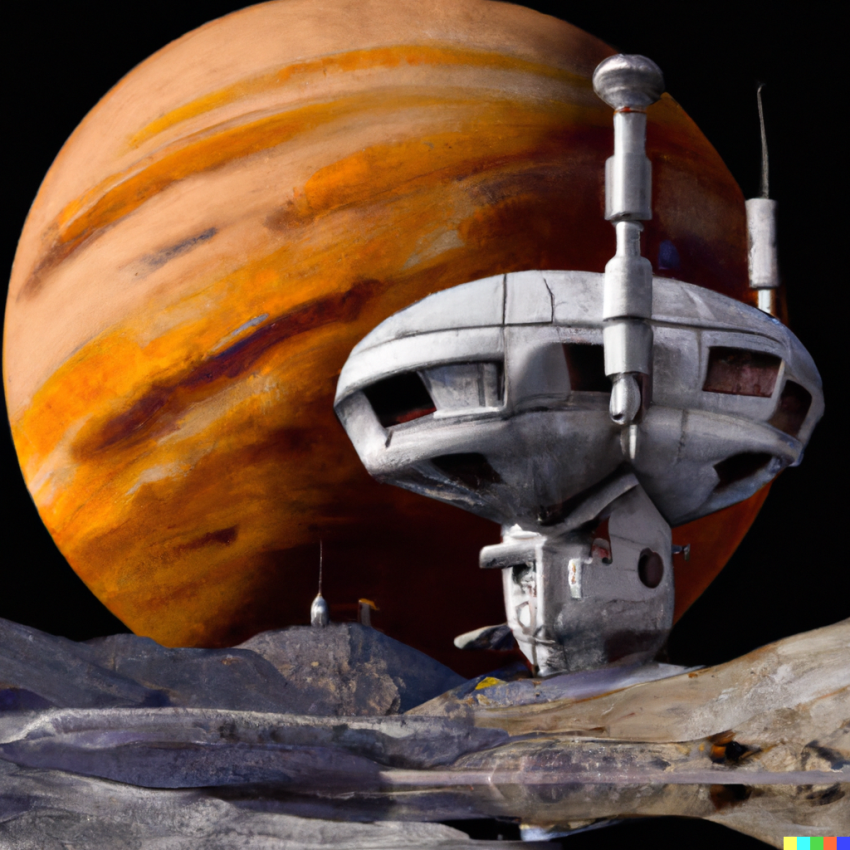
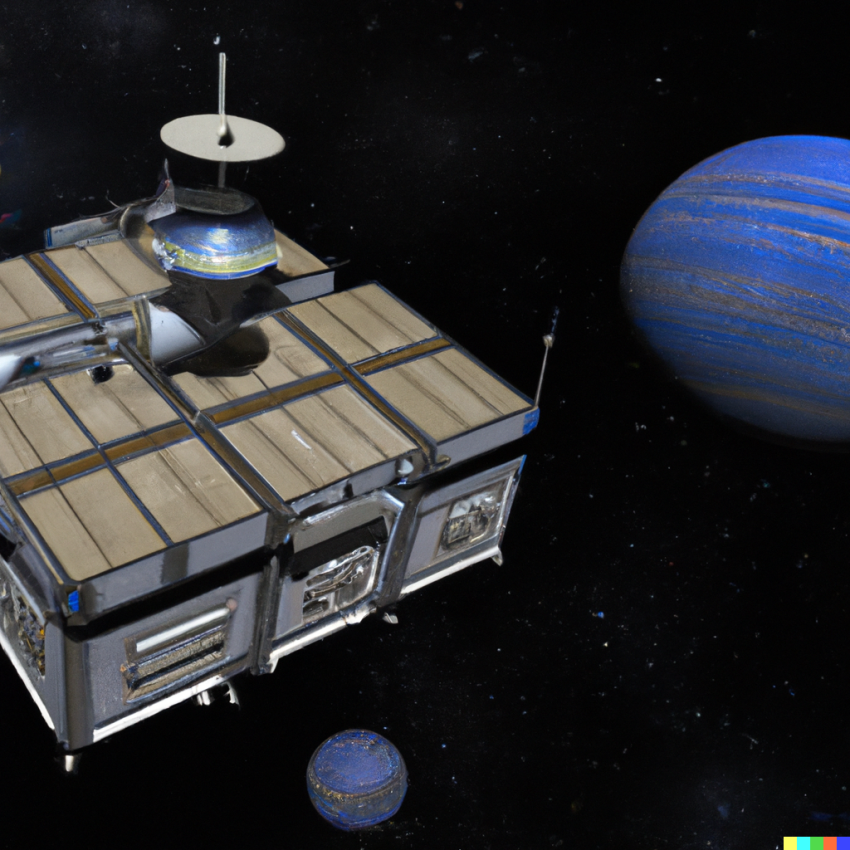
Mishifu is a small, only-just-spherical moon in a resonant orbit with Teddy Bear World. It is tidally locked with Luna, and has some Io-like vulcanism on the side facing Luna. There is a small base close to it's north pole (the floor of the base has gravity plating to make it comfortable and convenient for the occupants). The base acts as a control centre for space traffic going to and from the Luna colony, or tourist ships observing the planet from above. The base is also a Luna weather monitoring station for the colony below, and performs astronomical observations and is an early warning station for solar flares and occasional shifts in Luna's van allen belts.
|
|

|
Evra
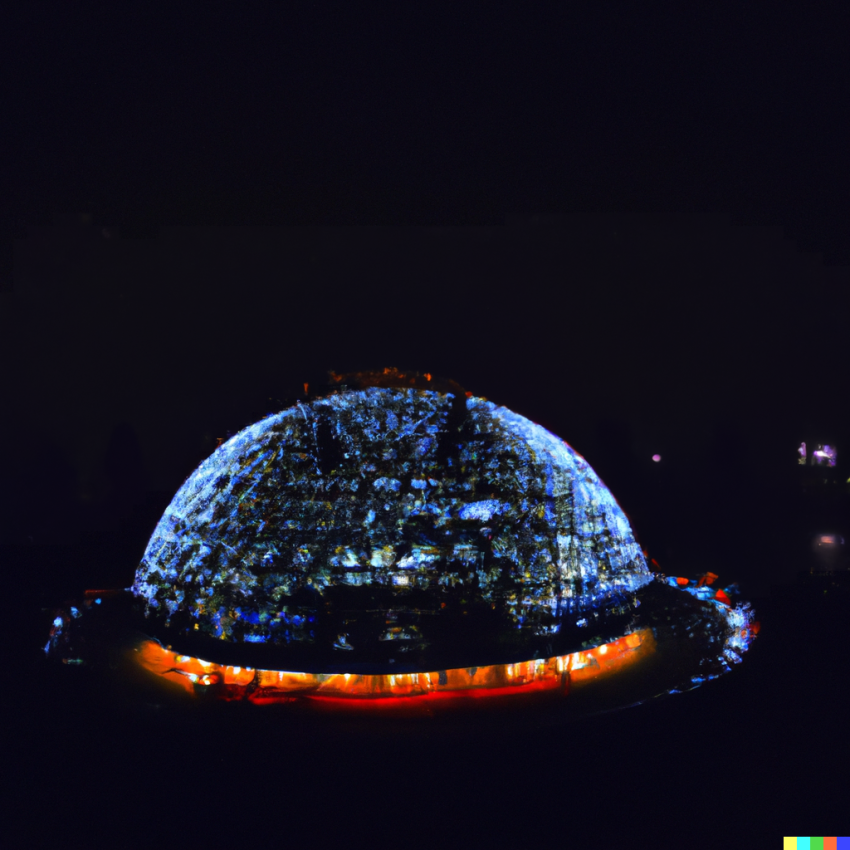
Evra is a Venus-sized moon of Luna which is covered in thick ice. This ice has been laminated over millions of years into millimetre-thick layers, and is thus incredibly strong. There is no atmosphere above it, it is just exposed to space. Beneath the ice sheet is a vast, warm ocean, heated by volcanic vents from Evra's geologically-active core. Elsewhere undersea "springs" filter the water through rocks and purify it in an ongoing process. Evra has several domed underwater cities. It's temperate oceans teem with seaweed and fish, most of which are edible. Sacrificial drilling probes have opened up more volcanic vents elsewhere, and huge undersea farms are cultivated by robots or bears in exoskeletonised suits.
People in Evra's cities travel by electric ground cars or bicycles, and submarine "buses" sail between the cities along well-lit roads (all of the undersea life on Evra is blind, the addition of lights doesn't affect it at all). Power is mostly geothermal, though there are also some solar farms on the surface. The melting-and-thawing of the surface ice can slowly swallow light structures, though. The surface also has many larger spaceports, which are connected to huge lifts that descend down shafts melted through the ice
Evra relies on Teddy Bear World and Ikathus for much of it's heavy machinery, as heavy industry, smelting, welding ect is not really possible in it's undersea cities. The other planets rely on Evra for a lot of their food, they could not possibly feed themselves with their cultivatable land areas alone. There is a small but vocal movement for giving Evra independence.
|
|
|
Teddy Bear World
The Earth-Like home planet of the Teddy Bears. It has two main continents and several significantly-large islands. It contains the full range of temperate climates from icy poles and tundra to scorching deserts and steaming jungles. Teddy Bear World has severe overpopulation, for it's own resources, but it's colonies on other planets allow the population to survive with enough food, even if living space is at a premium.
The population of Teddy Bear World is 8.5 billion. 2.7 billion of them live in one city, the vast Teddy Bear City, which was formerly known as Greaton, and grew out of the capital city of the country it once occupied (countries have long since ceased to exist for the Teddy Bears). The language of that country became the interplanetary language of the Teddy Bears, and is exactly the same as English, funny that. Teddy Bear City itself is broken up into fifty sectors, each of which has many subsectors, and then "blocks". Almost all travel on Teddy Bear World is by flying vehicles, kept in the air by anti-gravity pads and thrust forwards by hydrogen-burning jet engines. What were once the roads of Teddy Bear City are now between-block parks, cycle lanes, roofed "shotengai" and outdoor pools. Teddy Bear City is fairly close to the equator, but near a sort of "reverse gulf stream" of cold water, giving it scorching summers and mild winters, the temperature averages comfortable for most of the year. The steam generated by all those hydrogen-burning jets creates regular epic thunderstorms, too.
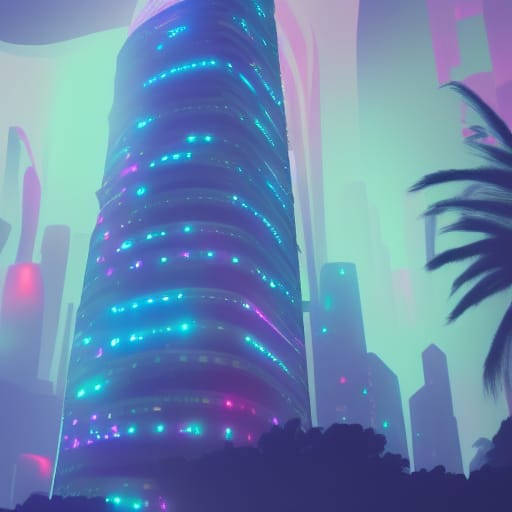
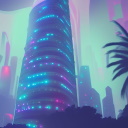
The centre of Teddy Bear City is the government district, Sector 1. This is dominated by Teddy Towers, a huge skyscraper from where the government of the city, planet and extra-terrestrial colonies is administered. Teddy Towers has it's own anti-asteroid defence station, spaceport and even military detachment.
Outside Teddy Bear City, other cities and towns continue as they have for centuries. The former capitals of other countries remain important cities, though their parliaments, which once directed the destiny of nations, are now basically just big local councils where the bus schedules are decided on. These places often have bilingual signage and museums dedicated to the art and culture of their former countries, though Teddy Bear World became a unilingual monoculture centuries before. Few people even speak their "native" languages, which remain the preserve of scholars. Most of these langauges, which once had millions of speakers, are now "dead", they have no native speakers, only people who learned them later in life as a second language.
Much of the rest of Teddy Bear World's temperate land area has been turned over to farming. Various villages and small towns have been shrunk down to farming communities and food production plants, with the non-farming population consolidated into the mega-cities. This process also happened centuries ago, mostly in an un-forced, democratic manner. The descendants of most of these "displaced" people now don't even know or care that they are. There are numerous country retreats and other tourist areas where people can get out of the cities for a while. The various areas that are not suitable for farming retain their small towns and villages, or are turned over to leisure activities like skiing. The oceans teem with cruise ships and there are even a few underwater cities, built using techniques imported from Evra. Many bears born on other worlds like to come back and visit "the old planet", whereas for many born on Teddy Bear World, space is their favoured holiday destination. There are also a few orbiting space stations where people live and work. Some people spend their entire lives here, though for most of this orbiting population, it's treated as a temporary assignment, like working on an ocean oil rig today.
|
|
|
Ikathus
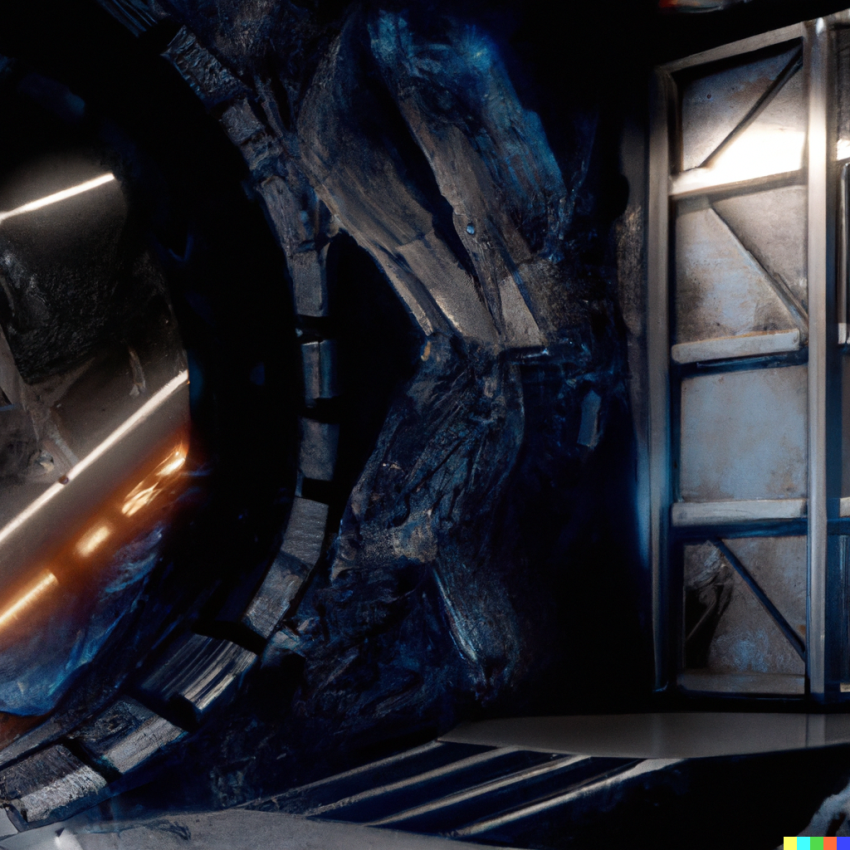
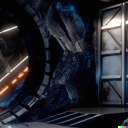
This was once an inner moon of Luna, and heavily volcanically active. It's vulcanism was so powerful much material actually reached escape velocity and became part of Luna's rings. The moon migrated outwards until it eached the equilibrium where it is now. It is Mars-sized, so has low gravity, and is a volcanically dead world with many deep, complex caves. Many of these caves have been sealed up and are now living areas. Many of the deeper ones are holiday camps, having even lower gravity as they are near the core. The rooms people stay in usually have 1g gravity plating, though. The larger outer caverns are spaceship building facilities. The moon is rich in metals, and the intense vulcanism to some extent "pre-refined" them. The ships can be more easily built in the low gravity, but it still prevents parts floating away. The moon also lacks an atmosphere, making the subsequent launch much easier.
Ikathus lacks cities as such, though "patches" of complex caves function as living areas whilst others are merely "roads" between these areas. The caves still have many doors along their lengths, though, to seal in areas and prevent air escaping should any cracks develop. Life on Ikathus is still more like living on a big spaceship than an actual planet. In common with the holiday camps, the living areas tend to have 1g gravity plating for the comfort of the population. Ikathus is almost entirely dependent on imported food, and thus doesn't have an Evra-style independence movement. It's population is the smallest of all three of the main Teddy Bear-occupied worlds, though still in the millions. Many of the population consider themselves "transient". One day they'll go to Teddy Bear World, their actual home... even if they were born on Ikathus. There are plans to attempt to create an atmosphere for the planet, though this would likely require some sort of "reactivation" of it's volcanic core, thus creating a danger for the various underground colonies.
|
|
|
Skaimir
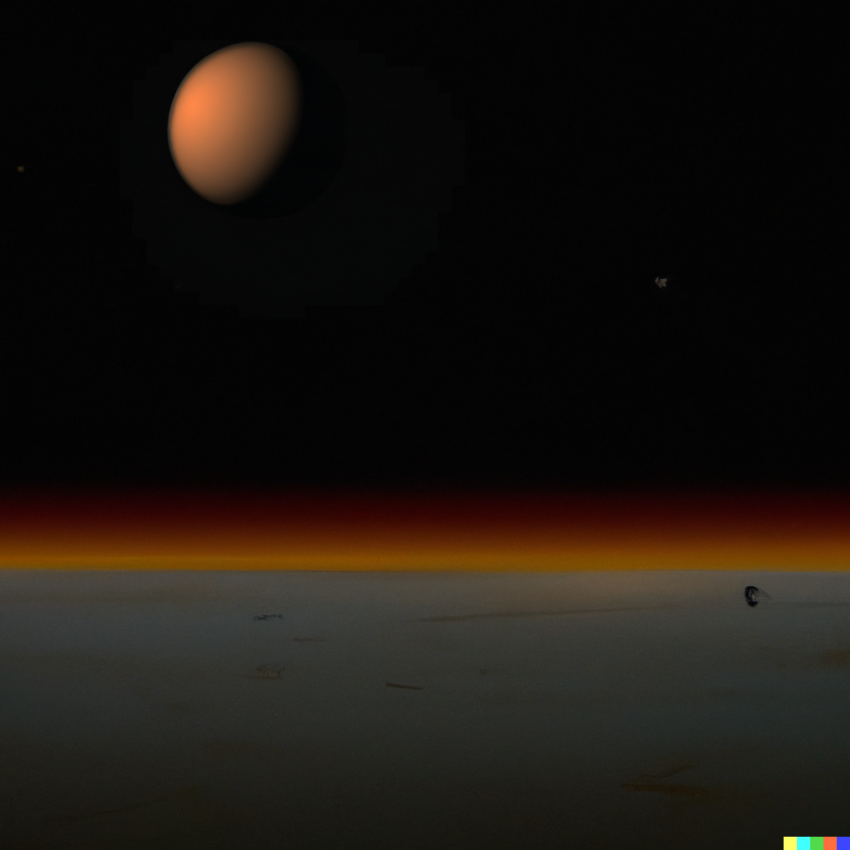
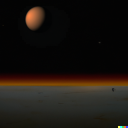
This is basically like Earth's moon, rocky, empty and dead. There are occasionally-occupied colonies, and landing pads with supplies for space travellers in trouble. There is talk of setting up more permenent colonies and spacecraft factories, as well as of mining. Robotic probes are located on the surface, taking astronmical readings.
|
|

|
Gemda
This small moon has outcroppings of beautiful purple crystals all over it's surface, and "lakes" of frozen ice. It's thought to have once had an atmosphere. There has been one manned mission here, and a few robotic probes and science stations sit on the surface. There's talk of setting up a holiday camp with rovers so people can go and look at the crystals.
|
|

|
Juliet
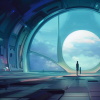
A very small and rapidly-rotating outer moon. A manned ship has orbited it, but has not landed. Some probes have landed and take scientific readings. On it's "outer leg" around Luna they are able to take detailed pictures of distant stars and galaxies over many "passes". On it's inner leg, other stations can monitor the sun and warn of solar flares and other activity.
|
|
 -  - 
ANASS
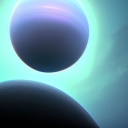
Anass is a large blue ice giant, mostly composed of methane and argon. There is talk of setting up hovering or balloon cities there, but after the "failiure" of the Luna holiday camp, there isn't much enthusiasm. Especially as they would be so much further away. One manned mission on a standard "Ferry" has been to the planet and orbited it, but didn't enter the atmosphere or land on any of the moons, as it wouldn't be capable of an unassisted takeoff.
|
|
|
Kanoa
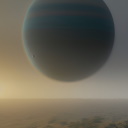
A rocky moon similar to Earth's, only tidally locked and more geologically active. It could be colonised on the side facing away from the planet, and mined, in future.
|
|
|
Scopuli
A large titan-like moon with a surface of frozen methane and "volcanoes" of water. It has a whispy atmosphere of argon that is about 0.4 bar at the surface. It would be a relatively easy place to set up "stilt" colonies in, with a view to attempting to thicken the atmosphere and build more substantial colonies in the distant future.
|
|

|
Ditko
A small rocky moon, a bit larger than Kanoa and with evidence of rich metal ore deposits. It could be mined in future and perhaps have spaceship factories set up on the surface or in caves. These would need to be dug artificially, though, unlike those on Ikathus.
|
|

|
Kanch
A small rocky moon much like Ditko. These two outer moons are thought to be more-recently-captured large asteroids.
|
 -
 -